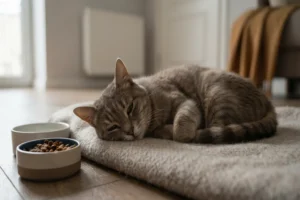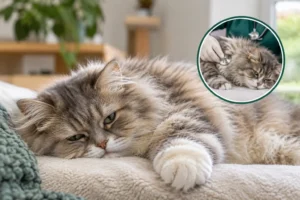
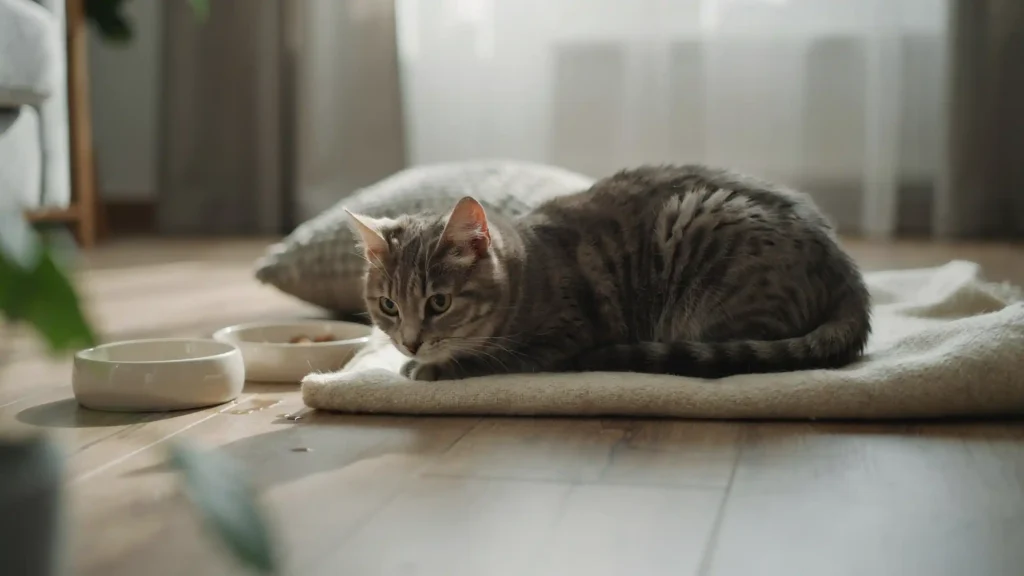
A few weeks ago, a client brought in a quiet tabby named Miso. Nothing looked dramatic. He was still greeting her at the door, still curling up on the sofa. But she’d noticed he’d started leaving half his dinner in the bowl and had chosen to sleep behind the wardrobe instead of on his usual windowsill. “He seems fine,” she told me, “but he’s just… not himself.”
That sentence — not himself — is one of the most important things a cat owner can say to a vet. Because by the time a cat looks obviously sick, they’ve often been unwell for a while. Learning how to know if your cat is sick is really about learning to read the small, quiet signals before they become an emergency.
Here’s what to watch for, what it might mean, and when it’s time to call us.
Why Cats Hide Illness So Well
Cats are descended from solitary hunters, and in the wild, showing weakness makes an animal a target. That instinct hasn’t left the house cat curled up on your lap. It’s the reason cats are famous for masking pain and disease until a condition is well advanced.
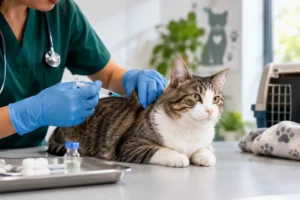
This is exactly why regular wellness checks matter so much. A trained vet can pick up subtle changes — a slight heart murmur, early weight loss, dental disease — long before you’d notice anything at home. If you’re overdue for a visit, our wellness check-up service is designed to catch problems early, while they’re still easy to treat.
The Key Signs a Cat Is Sick
No single sign confirms illness on its own. What matters is a change from your cat’s normal routine that lasts more than a day or two. Here are the most reliable warning signs.
1. Changes in Appetite or Thirst
Appetite is often the first thing to shift. A cat that suddenly eats far less, sniffs the bowl and walks away, or eats only a few bites may be unwell. This is more urgent in cats than in dogs: a cat that refuses food for more than 24 hours needs veterinary attention, because cats are prone to a dangerous liver condition called hepatic lipidosis (fatty liver) that can develop within just a few days of not eating.
Increased appetite matters too. Eating more than usual — especially alongside weight loss or increased thirst — can point to hyperthyroidism, diabetes, or intestinal problems. A sudden increase in water intake is a classic early sign of kidney disease or diabetes and should never be ignored.
2. Vomiting or “Being Sick”
Many owners come to us asking, “My cat keeps being sick — what does it mean?” The occasional hairball or one-off vomit isn’t usually alarming. Concern begins when vomiting becomes frequent (more than once or twice a month), happens repeatedly right after eating, or continues over hours. Persistent vomiting can signal food sensitivities, inflammatory bowel disease, pancreatitis, or a blockage.
If your cat is bringing food back up soon after meals, our detailed guide on cat vomiting food after eating walks through the common causes and when it becomes a red flag.
3. Hiding, Lethargy, and Personality Changes
A cat that suddenly sleeps far more than usual, withdraws from the family, or hides in closets and under furniture is very often in pain or fighting an illness. Hiding is one of a cat’s first coping responses to feeling unwell. On the flip side, a normally calm cat becoming restless or unusually vocal can be just as telling. Trust your read on your own pet’s personality — you know their baseline better than anyone.
4. Litter Box Changes
The litter box is a goldmine of health information. Watch for straining, going more or less often, urinating outside the box, or any blood in urine or stool. Straining to urinate — particularly in male cats — can signal a urinary blockage, which is a genuine emergency and needs same-day care. Diarrhoea or constipation lasting more than a day also warrants a call.
5. Sick Cat Eyes and Nose
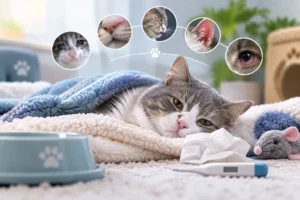
The eyes reveal a lot. Look for discharge, redness, cloudiness, or a cat squinting and keeping an eye partly closed, which usually signals discomfort or pain. Watery or crusty eyes alongside sneezing and a runny nose often point to an upper respiratory infection. Because cats rely heavily on smell to find food appealing, a blocked nose can also stop them eating.
6. Coat and Grooming Changes
A healthy cat grooms regularly, and their coat looks sleek. A dull, greasy, or matted coat often means a cat feels too unwell to groom. Over-grooming to the point of bald patches is the opposite signal — frequently linked to stress, allergies, pain, or skin disease.
7. Breathing Changes
Cats should breathe quietly and smoothly. Open-mouth breathing, panting, laboured breaths, or a cat sitting with its head raised and elbows out to breathe more easily are all urgent signs. Any breathing difficulty in a cat is an emergency — please don’t wait to see if it settles.
8. Weight Loss or Weight Gain
Because cats are small, weight changes creep up gradually and are easy to miss at home. Steady weight loss despite a normal appetite can indicate hyperthyroidism, diabetes, kidney disease, or other serious conditions. This is one of the most valuable things a routine weigh-in at the clinic can catch early.
Do Cats Purr When They’re Sick?
Yes — and this surprises many owners. Purring isn’t only a sign of contentment. Cats also purr when they’re stressed, frightened, in pain, or unwell, likely as a self-soothing mechanism. So a purring cat isn’t automatically a healthy cat. Read the purr alongside everything else: appetite, posture, energy, and whether they’re hiding.
Home Remedies for Sick Cats: A Word of Caution
When a cat seems off, it’s tempting to reach for a home fix. Please be careful here. Many “human” remedies are unsafe for cats. Honey offers no real benefit and can upset a cat’s stomach. Cats also cannot safely process many common medications, and dog food is not a substitute for cat food — cats need nutrients like taurine that dog food lacks, and it can cause gastrointestinal upset if fed regularly.
Safe home care while you arrange a vet visit is simple: keep your cat warm, calm, and quiet; make sure fresh water is easy to reach; and gently encourage eating with a small amount of their normal food. Anything beyond that is best guided by a vet.
When to See a Vet
As a general rule, call us if any change in appetite, litter box habits, energy, or behaviour lasts longer than a day or two. Seek same-day or emergency care if your cat:
- Refuses all food for 24 hours or more
- Is straining to urinate or can’t urinate
- Has difficulty breathing or is open-mouth breathing
- Vomits repeatedly or has ongoing diarrhoea
- Collapses, seems disoriented, or is in obvious pain
For cases that need bloodwork, imaging, or investigation of a hidden internal problem, our soft tissue and internal medicine team can diagnose and treat conditions affecting the kidneys, liver, digestive system, and more.
When something feels wrong with your cat, the safest move is a professional assessment. As a trusted veterinary clinic in Sharjah, Tree Pet Veterinary is here for both routine wellness and urgent concerns — with gentle, stress-free handling that keeps anxious cats as comfortable as possible.
Frequently Asked Questions
How can I tell if my cat is sick or just tired?
A tired cat still eats, greets you, and returns to normal after rest. A sick cat shows a lasting change — reduced appetite, hiding, poor grooming, or litter box changes that persist beyond a day. When in doubt, a quick vet check is the safest answer.
How long can a cat go without eating before it’s dangerous?
Around 24 hours of not eating is the point to act. Cats can develop hepatic lipidosis (fatty liver disease) quickly when they stop eating, so don’t adopt a wait-and-see approach past the one-day mark — especially with overweight cats.
Do cats purr when they are sick or in pain?
Yes. Cats purr not only when content but also when stressed, in pain, or unwell, as a way to self-soothe. Always read a purr alongside other signs rather than treating it as proof your cat is fine.
Can cat urine make you sick?
Cat urine itself isn’t a common source of human illness, but the ammonia in it can irritate the eyes and lungs in enclosed spaces, and toxoplasmosis is a concern for pregnant women handling litter. Good litter hygiene and hand-washing keep the risk low.
Can dog food make cats sick?
Dog food isn’t toxic in a single accidental bite, but it’s not safe as a regular diet. Cats need taurine and other nutrients that dog food lacks, and feeding it often can cause deficiencies and stomach upset. Always feed a complete cat food.
What are the first signs of a sick cat to watch for?
The earliest signs are usually subtle: eating a little less, drinking more, hiding, sleeping more than usual, or skipping grooming. Because cats hide illness so well, these quiet changes are your best early warning.