
There is no single correct amount. Start with just enough lukewarm water to dampen the kibble, then adjust gradually to your cat’s preference. Always check the manufacturer’s feeding guidance first, and serve each meal fresh.
Many cat owners reach the same question at the feeding bowl: how much water to rehydrate dried cat food without spoiling the meal? Whether your cat drinks little, eats slowly, or prefers softer textures, the answer may vary. Cat owners across Sharjah and the wider UAE often wonder about this, and at Tree Pet Veterinary, a vet clinic in Sharjah, we believe a clear, careful answer is more useful than a quick rule. This guide explains how adding moisture to kibble works, how to do it safely, and when a feeding question is really a health question.
How Much Water to Rehydrate Dried Cat Food?
There is no single correct amount. The right quantity depends on how much kibble you are serving, the type of food, and the texture your cat will accept. Some cats are content with dampened kibble; others prefer a soft, porridge-like meal. Check the manufacturer’s feeding instructions first, particularly for veterinary diets, and treat the water as something to adjust gradually, not a fixed ratio.
Why Cat Owners Consider Adding Water to Dry Food
Dry food contains far less moisture than wet food, so owners often look for ways to increase a cat’s fluid intake. Cornell’s Feline Health Center lists feeding wet food or adding water to food as a good way to raise water intake. Softer kibble can also appeal to fussy eaters or cats that seem uncomfortable chewing. If your cat drools, drops food, or avoids hard kibble altogether, a visit to a dental clinic in Sharjah can help find out whether mouth pain is the cause.
An owner notices her cat leaves the water bowl nearly full and picks at hard kibble. She wonders whether a splash of water would help, but worries about harming her cat. Her question is common, and the answer is usually simple once a few safety points are respected.
Every cat is different, which is why individual advice matters. Dr. Walaa Moustafa, one of the veterinarians at Tree Pet Veterinary, and her colleagues can examine a cat and discuss its feeding routine; this guide prepares you for that conversation, not replaces it.
How Much Water Should You Add to Dry Cat Food?
Start With a Small Amount
Begin with just enough water to dampen the kibble. Tufts University’s nutrition team notes that kibble absorbs water and softens, and that adding water very gradually may help a cat learn to accept it. Offer the meal and watch how your cat responds.
Adjust the Texture to Your Cat’s Preference
If your cat eats happily, add slightly more at the next meal. If it sniffs and walks away, return to the last consistency that worked. Never withhold food to force a change: Tufts advises offering the usual dry food if a cat refuses the altered version, rather than letting it go without eating.
How to Soften Dry Cat Food Safely
A Simple Step-by-Step Method
1. Wash your hands and use a clean bowl.
2. Measure your cat’s normal portion of kibble.
3. Add a small amount of clean, lukewarm water.
4. Stir gently and let the kibble absorb the water for a short time, following any manufacturer guidance.
5. Offer the meal, then adjust the amount of water next time.
6. Remove leftovers promptly and wash the bowl.
Choosing the Right Water Temperature
Lukewarm or room-temperature water is the sensible choice. Slight warmth can make food smell more appealing, but very hot water can burn a cat’s mouth and leave the bowl uncomfortably hot. Stir well and test the food with your finger before serving.
Can I Add a Little Water to Dry Cat Food Every Day?
For many healthy cats, moistening a meal is a reasonable routine, as long as each portion is fresh and the bowl is clean. However, a cat with kidney disease, urinary problems, diabetes, or another medical condition should have any change in feeding routine discussed with a vet first.
Benefits and Limitations of Adding Water to Cat Food
Potential benefits
• More moisture in that particular meal.
• A softer texture for fussy eaters or cats that struggle with hard kibble.
Limitations
• It does not guarantee your cat drinks enough overall. VCA Animal Hospitals notes that water needs vary with temperature, weight, food type, health, and activity.
• Moistened food spoils faster than dry kibble.
• It is not a treatment, and it never replaces veterinary care when a cat seems unwell.
Soaking Cat Food: Hygiene and Storage Tips
Moistened kibble is more perishable than dry food, particularly in warm weather. Prepare each meal fresh, and do not store soaked food at room temperature for long periods. We cannot give a universal time limit because it depends on the food and the conditions, so remove uneaten portions promptly rather than topping them up. If you want to prepare food ahead, ask your vet or the manufacturer about safe refrigerated storage. Wash bowls daily with hot, soapy water, and keep fresh drinking water available at all times.
How to Switch From Dry to Wet Cat Food
If your goal is more moisture overall, wet food may be worth considering. Whether it suits your cat depends on age, weight, and health. Our guide to dry food versus wet food explains the trade-offs, and a nutritional consultation in Sharjah can tailor advice to your cat.
The change should be gradual. International Cat Care advises changing diets over several days, and more slowly for reluctant cats. Begin by stirring a small spoonful of wet food into the usual dry food, then increase it little by little. Keep mealtimes and the feeding spot consistent, and if your cat hesitates, slow down rather than forcing the issue.
When Should You Speak to a Veterinarian?
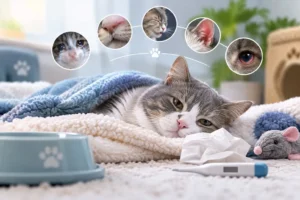
Food adjustments are general guidance, not diagnosis or treatment. Contact a veterinarian if your cat shows:
• Persistent refusal to eat (see our article on why a cat may be lethargic and not eating).
• Vomiting.
• Lethargy or unusual quietness.
• Difficulty or discomfort when urinating.
• A significant change in drinking or urination.
Straining to urinate, or passing little or no urine, is an emergency, particularly in male cats. Veterinary sources describe urinary blockage as life-threatening, so contact an emergency vet in Sharjah immediately rather than waiting. A wellness check-up in Sharjah is also a good time to review your cat’s diet.
Final Thoughts
Start small, use lukewarm water, adjust gradually, serve fresh and discard leftovers. Added moisture is a supportive step, not a substitute for veterinary care.
If your cat stops eating, vomits, seems lethargic or has trouble urinating, contact a vet promptly. For personalised feeding advice, the team at Tree Pet Veterinary is happy to help.
Frequently Asked Questions
What if my cat refuses moistened food?
Return to the previous texture, introduce changes more slowly, and offer the usual food. If your cat’s appetite drops, see a vet.
Does adding water replace drinking?
No. It adds moisture to a meal, but your cat still needs fresh water available.
Can I prepare soaked kibble in advance?
Not for long. Moistened kibble spoils quickly, so serve it fresh.
Can I use broth instead of water?
Plain water is safest. Avoid broth with onion or garlic, as both are toxic to cats.
My cat struggles with hard kibble. Is softening enough?
Not always. Drooling or dropping food can signal dental pain, so book a dental clinic in Sharjah.