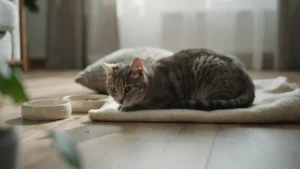
A regular at our veterinary clinic in Sharjah, a soft-spoken British Shorthair named Coco, came in last winter with watery eyes and a wet, snuffy nose. Her owner initially thought it was just dust from a nearby construction site. Two days later, Coco stopped eating, and by the time she reached our clinic, she had developed a fever and ulcers on the surface of her eyes.
The diagnosis was feline herpesvirus (FHV-1), one of the common and highly contagious respiratory infections seen in cats. Coco recovered with appropriate veterinary care, but her case is a reminder that what looks like a minor cold can sometimes develop into a much more serious problem.
If you’ve never heard of feline herpesvirus, you’re not alone. Many cat owners only learn about it after their pet starts showing symptoms. Understanding how FHV-1 spreads, what signs to watch for, and how vaccination can help protect your cat is an important part of responsible pet care.
If you’re looking for a trusted veterinary clinic in Sharjah, early examination can help identify respiratory infections before symptoms become more severe.
What Is Feline Herpesvirus?
Feline herpesvirus type 1 (FHV-1) is a highly contagious virus that primarily affects a cat’s upper respiratory system and eyes. It’s a leading cause of what’s commonly called “cat flu,” and it spreads easily through direct contact, shared food bowls, sneezing, and even on human hands and clothing after handling an infected cat.
Once a cat is infected, the virus typically stays in the body for life, hiding dormant in nerve tissue. Stress, illness, or a weakened immune system can reactivate it later, which is why some cats seem to get repeat flare-ups every few months, especially around boarding, travel, or a new pet joining the household.
Common Symptoms to Watch:
FHV-1 doesn’t always look the same in every cat, but the most frequent signs include:
- Sneezing and nasal discharge
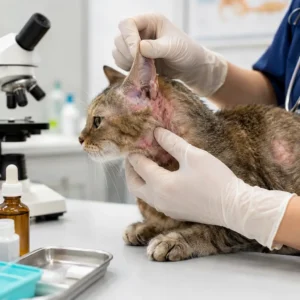
- Watery or red, swollen eyes
- Eye ulcers or visible discomfort when blinking
- Reduced appetite, often because a blocked nose affects smell
- Fever and general lethargy
- Excessive drooling in more severe cases
Kittens, senior cats, and those with existing health conditions tend to develop more serious symptoms and take longer to recover. In young or unvaccinated kittens, an untreated eye infection can progress quickly enough to threaten permanent vision damage which is exactly what makes early vaccination so important.
Why the Vaccine Matters
The feline herpesvirus vaccine doesn’t guarantee your cat will never encounter the virus most vaccines for viral respiratory infections work this way but it significantly changes the outcome if exposure happens. Vaccinated cats typically experience:
| Without Vaccination | With Vaccination |
|---|---|
| Severe respiratory symptoms | Mild or no symptoms |
| High risk of eye ulceration | Reduced eye complications |
| Longer recovery, often weeks | Faster recovery, often days |
| Higher chance of chronic flare-ups | Lower chance of severe recurrence |
| Greater risk to kittens and seniors | Meaningfully improved protection across ages |
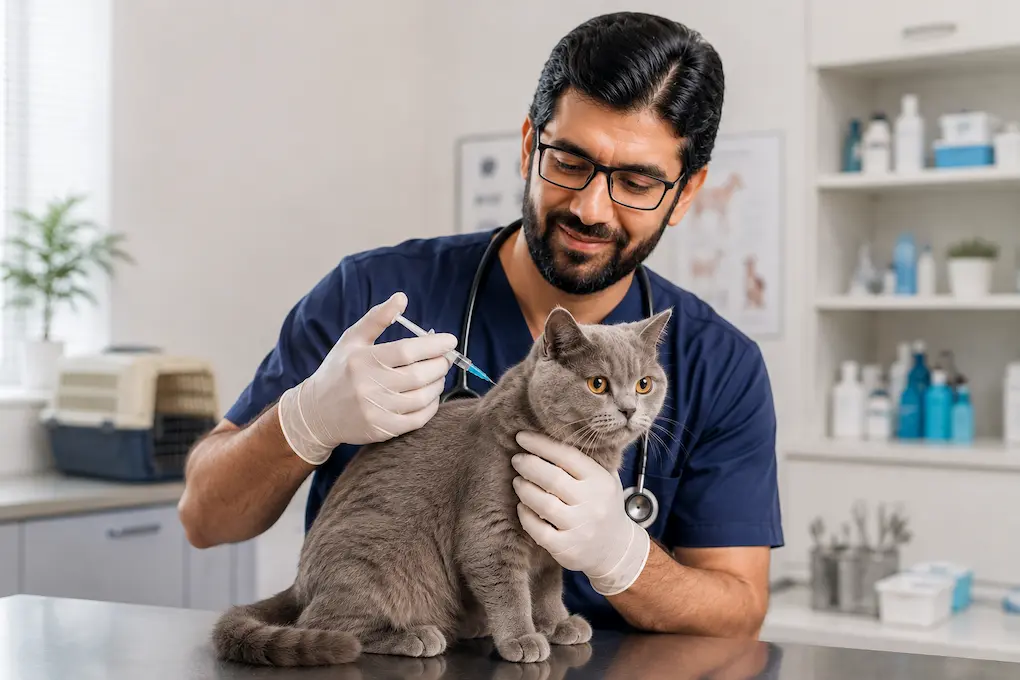
This is also why the FHV-1 vaccine is bundled into the core FVRCP vaccine (Feline Viral Rhinotracheitis, Calicivirus, and Panleukopenia) that every cat, indoor or outdoor, should receive as part of routine care.
Is My Indoor Cat Really at Risk?
This is one of the most common questions we hear, and the honest answer is: yes. FHV-1 spreads so easily that indoor-only cats are not automatically protected. It can travel home on your clothes or shoes after contact with another cat, get introduced through a new foster kitten, or spread during a stay at a boarding facility. Multi-cat households in Sharjah apartments and villas are particularly vulnerable, since the virus moves quickly between cats sharing space, bowls, or litter trays.
When Should Kittens Get Vaccinated?
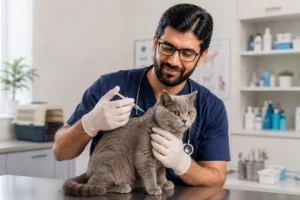
Kittens typically begin their FVRCP series (which includes protection against feline herpesvirus) around 6 to 8 weeks of age, with booster doses every 3 to 4 weeks until they reach about 16 weeks old. After the initial series, adult cats need a booster roughly once a year, or as recommended based on their individual health and lifestyle. If you’re bringing home a new kitten, our guide on what to expect during your pet’s first veterinary visit walks through exactly what that first appointment looks like.
Callout: A cat that has already recovered from an FHV-1 infection can still benefit from vaccination it helps reduce the severity and frequency of future flare-ups, even if it can’t fully clear the dormant virus.
What Happens If My Cat Is Already Showing Symptoms?
If your cat is sneezing, has watery eyes, or seems off their food, don’t wait it out. Feline herpesvirus can look similar to other respiratory or eye conditions, and an accurate diagnosis matters for the right treatment plan. Our post on how to know if your cat is sick covers the early warning signs worth acting on quickly, and if you notice anything unusual on your cat’s skin alongside respiratory symptoms, our guide to cat skin lesions can help you tell the difference between a minor irritation and something that needs urgent attention.
Getting Your Cat Vaccinated in Sharjah
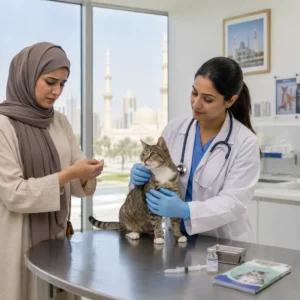
At Tree Pet Veterinary, we include feline herpesvirus protection as part of our standard vaccination program for kittens and adult cats across Sharjah, from Al Nahda and Al Majaz to Muwaileh and Al Taawun. If getting to the clinic is difficult, our mobile vet Sharjah service can bring routine vaccinations directly to your home, which is especially useful for multi-cat households or cats that find car rides stressful.
Conclusion
Feline herpesvirus is one of those illnesses that’s easy to underestimate until you’ve watched a cat go through it. It spreads quickly, it doesn’t care whether your cat is an indoor lounger or an outdoor explorer, and it can leave lasting effects on the eyes if it isn’t caught early. The good news is that the FVRCP vaccine, given on schedule and boosted yearly, dramatically lowers both the odds of infection and the severity if it does happen. It’s a small, routine step that saves cats and their owners from the kind of week Coco’s family went through. If you’re unsure where your cat stands on their vaccination schedule, that’s exactly what a quick check-up is for.
Frequently Asked Questions
Can the feline herpesvirus vaccine fully prevent infection?
Not completely. Like most respiratory virus vaccines, it doesn’t guarantee your cat will never be exposed, but it significantly reduces the severity of symptoms and speeds up recovery if infection does occur.
Is feline herpesvirus the same as human herpesvirus?
No. FHV-1 is species-specific and cannot spread from cats to humans or other pets like dogs. It only affects cats.
How often does my cat need a booster?
After the initial kitten series, most cats need an FVRCP booster once a year, though your vet may adjust this based on your cat’s age, health, and exposure risk.
My cat is strictly indoors; do they still need this vaccine?
Yes. Feline herpesvirus can be carried into the home on clothing, shoes, or through contact with a new pet, so indoor-only status doesn’t remove the risk.
Can an adult cat get vaccinated if they missed their kitten shots?
Yes. It’s never too late to start. An adult cat with an incomplete or unknown vaccination history can begin a catch-up schedule at any age.