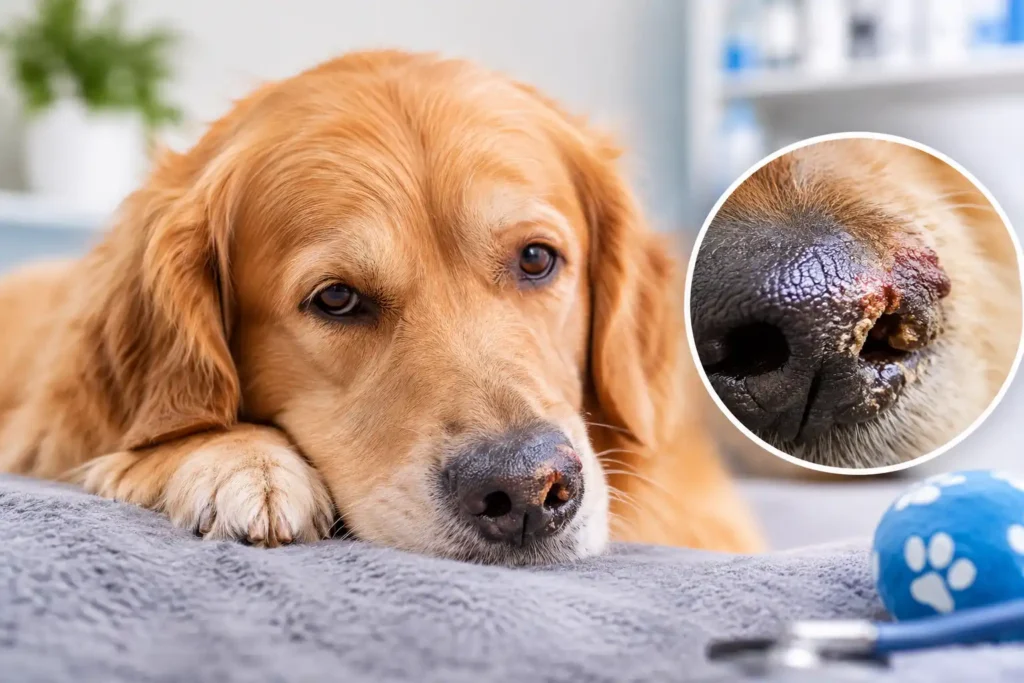
A dog that sneezes after a long sniff in the garden is perfectly normal. A dog that keeps sneezing for weeks, with discharge from one nostril that sometimes turns bloody, needs a closer look. That pattern is the classic sign of aspergillosis in dogs, a fungal nose infection that is easy to mistake for a cold or allergy.
Tree Pet Veterinary, a well-recognized vet clinic in Sharjah, is well-versed in dogs that have stubborn nasal symptoms regularly. Here is what causes this infection, which dogs are most at risk, and how it is diagnosed and treated.
What Is Aspergillosis in Dogs?
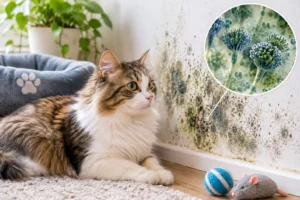
Aspergillosis is a fungal infection caused by Aspergillus molds, which live in soil, decaying plants, hay, straw, and damp corners indoors. Dogs inhale spores every day, and a healthy nose usually clears them without trouble.
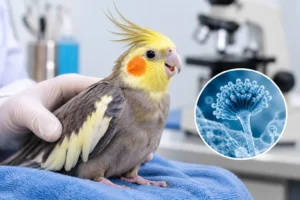
In some dogs, the fungus takes hold and grows, most often in the nasal passages and sinuses. This is called canine nasal aspergillosis, or fungal rhinitis. The species involved is usually Aspergillus fumigatus. A common household relative, Aspergillus penicillioides in pets is more of a fungal infection than a standard disease.
Researchers still don’t fully understand why only some dogs are affected. Many experts suspect a local weakness in the nasal lining or heavy spore exposure, rather than a body-wide immune problem. Most dogs with nasal aspergillosis are otherwise healthy.
Which Dogs Are Most at Risk?
Any dog can be affected, but the infection is seen far more often in:
- Dogs with long or medium-length noses, such as Retrievers, Collies, German Shepherds, and Labradors
- Young to middle-aged adults, typically two to seven years old
- Dogs that dig and sniff in soil, compost, hay, mulch, or rotting leaves
- Dogs with a past nasal problem, such as a foreign body or trauma that damaged the lining
- Dogs on long-term immune-suppressing medication, who carry a higher risk of the less common body-wide form
Flat-faced breeds like Pugs and Bulldogs are rarely affected by the nasal type.
Aspergillosis in Dogs: Symptoms to Watch For
The key word is persistent. A cold clears in days, but this doesn’t.
- Chronic nasal discharge in dogs, often from one nostril, thick, yellow-green or blood-tinged
- Repeated sneezing fits, often worse after exercise or excitement
- Sudden nosebleeds, which can look dramatic
- Pain when the nose or face is touched
- Pale, crusted or ulcerated skin around the nostrils
- Swelling over the bridge of the nose or around the eye
- Noisy, snuffly breathing or reverse sneezing
- Tiredness, reduced appetite and, over time, weight loss
If the infection spreads beyond the nose, which is uncommon, you may see lameness, back pain, fever, or changes in urination. This body-wide form is more often seen in German Shepherds and is much more serious.
Is It Aspergillosis or Something Else?
Several problems cause a runny nose in dogs, and each needs different treatment. This is why guessing at home doesn’t work.
| Possible cause | Clues | How a vet tells them apart |
| Fungal infection | Chronic, often one-sided discharge, nosebleeds, nasal pain | CT, rhinoscopy, culture or biopsy |
| Foreign body (a grass seed, for example) | Sudden violent sneezing after outdoor play | Rhinoscopy |
| Nasal tumor | Older dog, steady nosebleeds, facial swelling | CT and biopsy |
| Tooth root abscess | Discharge with bad breath or facial swelling | Dental exam and imaging |
| Allergy or bacterial infection | Usually both nostrils, often seasonal or itchy | History, response to treatment |
How Do Vets Diagnose Nasal Aspergillosis?
No single test settles it. A careful vet builds the picture in stages.
- History and examination. Where does your dog walk and play, and how long have the signs lasted? The vet also checks airflow through each nostril, the teeth and the face.
- Bloodwork. This checks general health and helps plan safe anesthesia.
- Imaging. An X-ray can show changes in the nose and sinuses. A CT scan is the gold standard because it shows the fine nasal bones in detail and reveals whether the thin bone separating the nose from the brain has been damaged.
- Rhinoscopy. A tiny camera passed into the nose lets the vet see white-to-green fungal plaques and take samples.
- Lab confirmation. Cytology, fungal culture, and biopsy identify the fungus and rule out cancer. Blood antibody tests can support the diagnosis, but a negative result doesn’t exclude infection.
A pet laboratory in Sharjah might help you get faster results, which matters when a dog is already uncomfortable.
How Is Aspergillosis in Dogs Treated?
The encouraging news is that nasal aspergillosis is treatable, and many dogs do very well. A vet always plans the treatment, because drug choice, dose, and technique matter.
Topical antifungal infusion. For most dogs, this is the most effective option. Under general anesthesia, the vet clears the fungal plaques and infuses an antifungal treatment, commonly clotrimazole, into the nasal passages and sometimes the sinuses. Published studies report that most dogs improve after one or two sessions. A CT scan beforehand is essential, because the technique is unsuitable if the bone at the back of the nose is damaged.
Oral antifungal medication. Drugs such as itraconazole are given for weeks to months, either alone in selected cases or alongside topical therapy. They tend to work less reliably than infusion for nasal disease, and the vet monitors the liver throughout.
Supportive care. Dogs that are bleeding, struggling to breathe, or recovering from anesthesia may need fluids, pain relief, and pet hospitalisation as well.
Please never give leftover human antifungals, steroids or painkillers. They can worsen the infection or harm the liver.
What The Recovery Phase Looks Like
The recovery phase is quite similar to what cats with Aspergillosis go through. After an infusion, many dogs sneeze and have some discharge for a few days to a couple of weeks while the nose heals. Your vet will set out a plan for medication, rest, and rechecks.
Improvement can be gradual. Follow-up visits, often including repeat rhinoscopy or imaging after several weeks, confirm that the infection has cleared. Some dogs need a second infusion, and a minority relapse months later, so watch for returning sneezing or discharge.
The outlook for localized nasal disease treated early is good. Once the infection spreads beyond the nose, the outlook becomes more guarded, which is why early assessment pays off.
Can You Prevent Canine Aspergillosis?
There’s no guaranteed prevention, but sensible habits reduce the risk:
- Discourage digging in compost, rotting leaves, mulch, damp hay, or old straw
- Fix leaks and damp patches indoors, since Penicillium Aspergillus is a house mold.
- Store kibble in airtight containers and throw away musty food
- Wash dog beds regularly and keep kennels or outdoor sleeping areas dry
- Don’t ignore a nose problem that lasts more than a week
- Book a yearly wellness checkup so small changes are caught early
If the mold grows in the right places and becomes airborne, it may even cause aspergillosis in birds, which is why preventive measures are crucial.
Finding the Right Veterinary Clinic
A stubborn nose problem needs a vet who looks beyond the obvious. A good veterinary clinic in Sharjah will examine the nose, teeth, and airflow carefully, explain which tests are worth doing, and be honest about what is confirmed and what isn’t.
At Tree Pet Veterinary, our team sees dogs of all breeds and ages, and our mobile vet service in Sharjah brings care to your door when travelling is difficult. If you’re looking for a vet you can trust with a worrying symptom, start with a conversation.
Conclusion
A nose that keeps running, sneezing, or bleeding is a symptom, not a personality quirk. Aspergillosis in dogs is treatable, and the earlier it is found, the gentler the road to recovery. Owners who act within the first week or two of persistent symptoms give their dogs the best chance of a smooth recovery.
If your dog has had nasal symptoms for more than a week, contact Tree Pet Veterinary. Our veterinary clinic knows just what to do. For urgent cases, call us during clinic hours (Sat to Thu 10 AM to 10 PM, Fri 2 PM to 10 PM).
Frequently Asked Questions
Is aspergillosis in dogs contagious?
No. Dogs pick it up from spores in the environment, not from other dogs or from people.
Can a dog recover from nasal aspergillosis?
Yes. Many dogs recover well with the right treatment, though some need repeat sessions and follow-up testing.
How long does treatment take?
Topical infusion is a single procedure under anesthesia, but healing and rechecks take weeks. Oral medication can last several months.
Why is my dog’s nose bleeding from one side only?
One-sided bleeding can come from a fungal infection, a foreign body, a tooth problem or a tumor. It always deserves a vet exam.
Can I treat it at home?
No. Home remedies can’t clear a fungal infection, and the wrong medicine can do harm.