Birds are experts at looking well. A budgie may keep eating and chirping while an infection quietly takes hold, which is why many owners seek help only once a problem is advanced. Choosing an Avian Vet in Sharjah before a crisis gives your bird a trusted professional and a health baseline. This Avian Vet Guide from Tree Pet Veterinary Clinic explains the quiet changes that are easy to dismiss, and Dr. Loay Mohamed works with bird owners to spot these early signs. The five risks below are general warning areas, not diagnoses, and every species and individual bird differs.
1. Hidden Parasitic Infestations
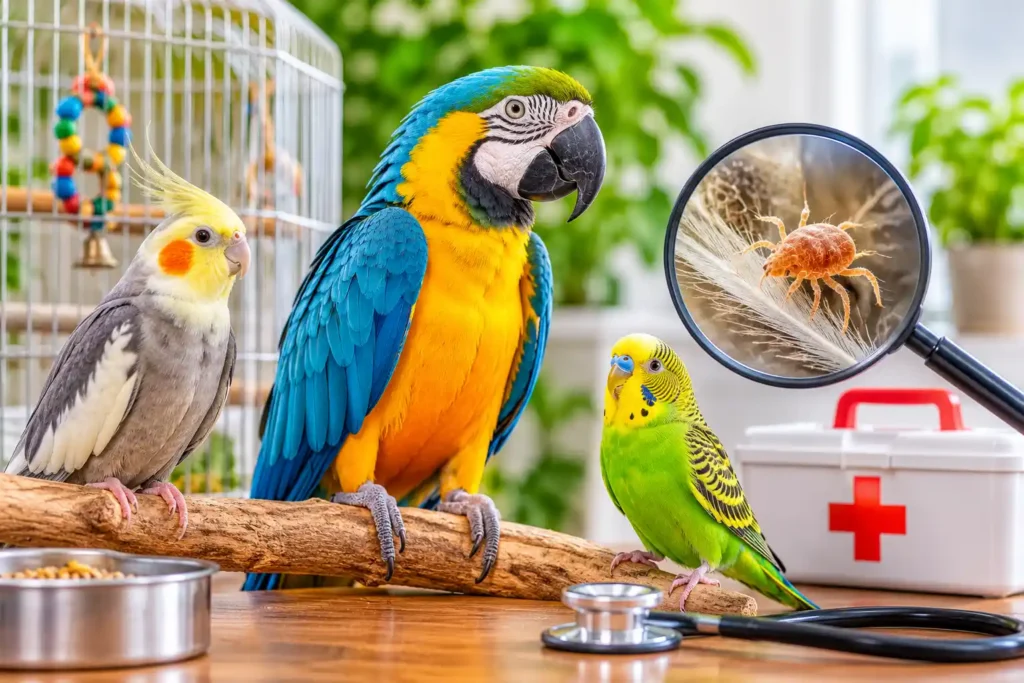
Mites and lice are rarely seen directly. Instead, owners may notice a bird that preens more than usual, scratches, seems restless, or has ragged feathers, flaking skin, or crusty patches on the beak and legs. Some parasites affect the airways, so a bird may show breathing changes rather than skin changes.
These signs overlap with other conditions, including poor diet and infections. Correct identification matters because treatment depends on the parasite involved, and products made for other animals can be unsafe for birds.
Safe next step: Do not treat at home. Photograph what you see, keep the cage clean, and book an examination. Our guide to bird mites and lice covers more warning signs.
2. Nutritional Deficiencies and Imbalanced Diets
Seed-heavy feeding is a common problem. Birds often pick favourite seeds and ignore the rest, so a full bowl can still hide gaps in vitamins and minerals such as vitamin A and calcium.
Possible signs include dull or poorly formed feathers, flaky skin, an overgrown beak or nails, weight change, and low energy. These can have other causes, so they signal a need for assessment rather than a confirmed deficiency.
Dietary needs vary by species. A budgie, a cockatiel, and an African grey don’t need the same diet. Avoid sudden changes, and ask for a tailored plan through a pet nutrition consultation.
3. Respiratory Problems and Environmental Irritants
Birds have highly sensitive airways. Smoke, bukhoor and incense, aerosol sprays, strong cleaners, scented candles, and fumes from overheated non-stick cookware can all affect them, and the cookware fumes can be life-threatening.
Watch for open-beak breathing, tail bobbing with each breath, clicking or wheezing, a changed voice, sneezing or nasal discharge, and reluctance to perch or play. Respiratory disease is common in pet birds, and the Merck Veterinary Manual advises checking with a veterinarian whenever respiratory signs appear.
Safe next step: Breathing difficulty is urgent. Move your bird to fresh air, keep it warm and calm, and contact an emergency vet immediately rather than waiting overnight.
4. Subtle Behavioural Changes and Stress
A quieter bird, fluffed feathers, a smaller appetite, altered droppings, or new feather plucking can all signal a problem. They do not share one cause. Pain, infection, boredom, poor sleep, loud noise, heat, or a new pet in the home can each produce similar changes.
Note what has changed and when. Record the colour, volume, and consistency of droppings, and take a photo. Reduce stressors while you arrange a check. If the change persists, diagnostic testing can help separate medical causes from stress.
5. Delayed Diagnosis of Illness
In the wild, a visibly sick bird becomes a target, so many birds conceal illness by instinct. By the time symptoms are obvious, the condition may be advanced and harder to treat. Early assessment is the central part of an avian veterinarian’s role, and it is why Dr. Loay Mohamed encourages owners to act on small changes.
When an Examination Is Appropriate
• Any change in appetite, droppings, or activity lasting more than a day
• Repeated sneezing, voice change, or tail bobbing
• Persistent feather damage or itching
When It Is Urgent
• Open-beak breathing or gasping
• Sitting fluffed on the cage floor
• Bleeding, seizures, or collapse
A routine wellness check-up establishes what is normal for your bird and makes later changes easier to interpret.
Preventing Common Bird Health Problems
• Offer a species-appropriate diet and fresh water daily.
• Keep smoke, sprays, and non-stick cookware fumes away from birds.
• Clean cages regularly and quarantine new birds.
• Observe your bird daily and keep notes.
• Schedule regular veterinary check-ups.
Frequently Asked Questions
1. How can I tell if my bird is hiding an illness?
Look for small shifts: fluffed feathers, less vocalising, changed droppings, or reduced interest in food and play. No single sign confirms a diagnosis, but a pattern deserves an examination.
2. When should I consult an avian vet?
Book a visit when any change lasts longer than a day, and seek urgent care for breathing difficulty, collapse, or bleeding.
3. Can poor nutrition affect a bird’s feathers?
Yes. Imbalanced diets may contribute to dull, brittle, or abnormal feathers, though parasites and illness can look similar, so a vet should check the cause.
4. Which bird symptoms require urgent veterinary attention?
Open-beak breathing, tail bobbing, inability to perch, seizures, heavy bleeding, and sitting fluffed on the cage floor all need prompt care.
5. How can I help prevent common bird health problems?
Provide a balanced diet, a smoke-free environment, clean housing, and regular check-ups so that problems are caught early.