Matted hair can be painful for dogs because tight mats pull on the skin and may cause sores, infections, and restricted movement. Remove small mats gently with a detangling spray and comb, never scissors near the skin. Brush long or curly coats daily and medium coats 2–3 times a week. Consult a vet if you notice redness, a bad smell, broken skin, or pain when touched.
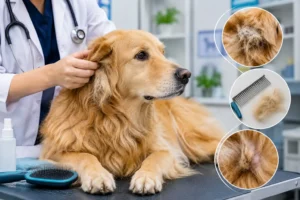
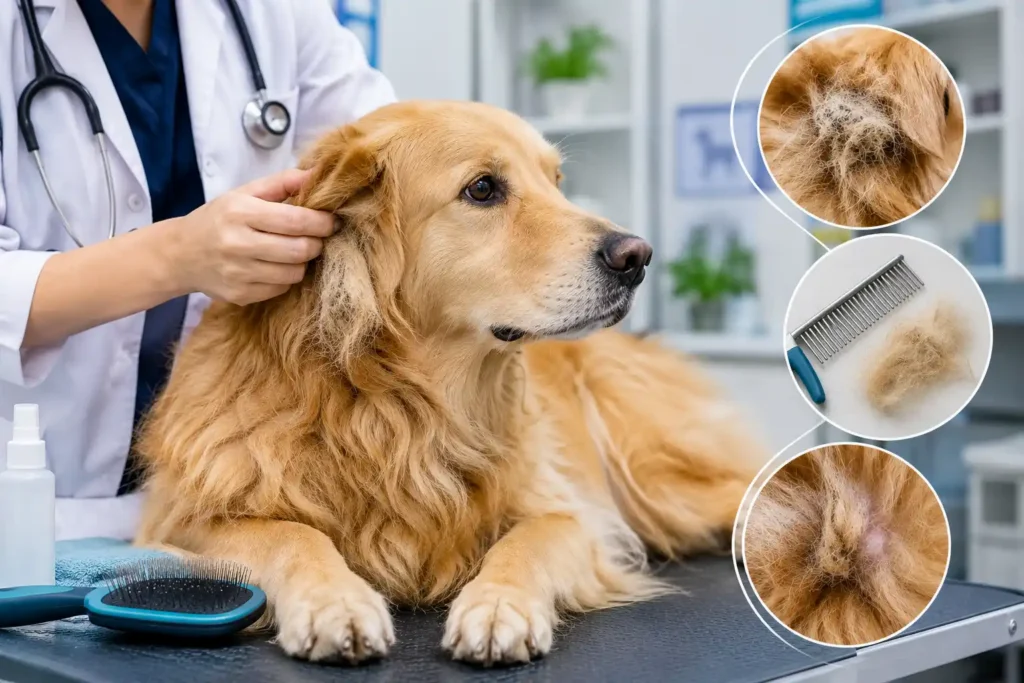
It was a routine evening bath when Layla felt a dense, hard clump of fur behind her Golden Retriever’s ear. The fur was tightly matted, pulling the skin beneath it taut. She did not know how long it had been forming, but she knew something was wrong.
What Is Matting Hair in Dogs? It refers to tangled fur that twists and clumps together, sometimes becoming tight enough to pull on the skin and cause discomfort.
Situations like this are more common than many dog owners expect, raising an important question: Is matted hair painful for dogs? If you have noticed tangled or matted dog hair on your pet, the team at Tree Pet Veterinary Clinic, a trusted Vet in Sharjah, can help you understand why matting happens and how to handle it safely.
What Is Matting Hair in Dogs?
Matting hair in dogs refers to dense, tightly knotted clumps of fur that form when loose, shed hairs become tangled with the surrounding live coat rather than falling away naturally. Over time, these tangles gather more loose hair, debris, and moisture, compressing into solid masses that sit close to the skin.
Unlike an ordinary knot that can be teased apart with a comb, a true mat is a firm, compacted cluster. It can vary in size from a small pebble-like lump to a wide, sheet-like mass. The longer a mat is left unaddressed, the tighter and more difficult it becomes to remove.
Why Does Dog Hair Become Matted?
Several factors contribute to matted dog hair:
• Coat type Dogs with long, curly, wavy, or double-layered coats (Poodles, Shih Tzus, Maltese, Golden Retrievers) are most prone because their fur traps loose hair rather than releasing it.
• Insufficient brushing The most common cause. Shed hairs accumulate and interlock when not brushed out regularly.
• Friction zones Areas where fur rubs against a collar, harness, or bedding (behind the ears, under the armpits, around the neck, between the legs) mat faster.
• Moisture Wet fur tangles far more easily than dry fur. If the coat is not brushed and dried properly after bathing or swimming, mats can form within hours.
• Seasonal shedding In double-coated breeds, loose undercoat gets trapped in the outer coat if not brushed out regularly.
Can Matted Hair Be Painful for Dogs?
Yes. Loose tangles may cause little discomfort, but tight mats pull on the skin, causing irritation, soreness, and sometimes open sores.
Dr. Walaa Moustafa, Vet Doctor, explains that mats can hide skin problems. A dog may have tight mats around its collar with redness and irritation underneath that the owner never notices. Dogs often tolerate discomfort quietly, so these problems can go undetected for a long time.
Tight mats can also:
• Restrict movement around the legs and joints
• Trap moisture and bacteria, increasing the risk of skin infections
• Hide fleas, ticks, and other parasites
• Cause hair loss by putting pressure on hair follicles
• Make dogs uncomfortable when touched or groomed
If your dog has redness, irritation, or persistent scratching beneath matted fur, Pet Dermatologist in Sharjah services can help assess the skin and guide appropriate treatment.
How to Get Rid of Mats in Dog Hair Safely
The right approach depends on how severe the matting is.
For minor tangles at home:
• Use a wide-toothed or dematting comb. Work from the ends inward never pull from the root.
• Apply a detangling spray or a small amount of dog-safe conditioner to soften the tangle first.
• Hold the fur firmly close to the skin while combing to prevent the pulling sensation reaching the skin.
• Work slowly and keep sessions short. If your dog becomes distressed, stop and try again later.
What to avoid:
• Never cut a mat with scissors close to the skin. The mat sits far closer to the skin than it looks this is one of the most common causes of accidental grooming injuries.
• Do not force a comb through a tight mat in one motion. This is painful and can make your dog associate grooming with discomfort.
When to call a professional:
If the mat is larger than a few centimetres, sits flat against the skin, or multiple mats are present, a professional groomer is the safer option. If the skin underneath looks red, broken, or has an odour, veterinary assessment is more appropriate. You can read more about how skin conditions connect in our guide on What Are the Symptoms of Heartworm in Dogs?
How to Prevent Matted Dog Hair
• Brush daily for long or curly coats; 2–3 times a week for medium coats
• Pay extra attention to behind the ears, under the collar, armpits, groin, and the base of the tail
• After bathing or swimming, dry the coat thoroughly and brush while drying
• Use a slicker brush for general grooming and a metal comb for the undercoat
• Book professional grooming every 6–8 weeks for mat-prone breeds
• After outdoor activity, run a comb through the coat to remove debris before it embeds
When Should You Take Your Dog to a Veterinarian?
Not every mat needs a vet visit, but see a veterinarian if you notice:
• Redness, swelling, or warmth beneath or around a mat
• Broken or bleeding skin under the fur
• A foul odour, which may indicate infection
• Your dog scratching, biting, or reacting in pain when the area is touched
• Discharge, crusting, or visible sores beneath the coat
• Extensive matting covering large areas of the body
• Signs of fleas, ticks, or skin mites within the matted fur
A veterinarian can assess the underlying skin, treat any infection, and advise on whether sedation is needed to safely remove extensive mats. Also offers a Wellness CheckUp in Sharjah, which includes a thorough physical assessment of your dog’s coat and skin condition.
Taking Care of Your Dog’s Coat Starts With Awareness
Matted dog hair develops gradually but can become genuinely uncomfortable. Regular brushing, proper drying after baths, attention to friction-prone areas, and professional grooming all help prevent it.
When mats do appear, handle them safely and seek professional help when needed. Early action protects your dog’s comfort and skin health.
If you notice skin irritation or are unsure whether a mat needs medical attention a trusted veterinary clinic in Sharjah offers dermatological assessments and wellness examinations to guide your dog’s care.
Final Thoughts
Matted dog hair can cause discomfort, skin irritation, and infections if left untreated. Regular brushing, proper drying, and routine grooming prevent mats from forming. If you notice tight mats, redness, or signs of pain, avoid pulling the fur or cutting mats close to the skin. Consult a veterinarian early makes a real difference.
Frequently Asked Questions
Can matted dog hair cause skin infections?
Yes. Mats trap moisture, dirt, and debris, increasing the risk of bacterial infections and dermatitis. Consult a veterinarian if you notice redness, discharge, or an unusual odour.
Can I remove mats from my dog’s hair at home?
Loose tangles can be gently removed with a dematting comb and detangling spray. Tight mats near the skin should be handled by a professional to prevent pain and injury.
Is shaving a severely matted dog necessary?
Sometimes. Severe mats may require a mat clip to relieve discomfort and protect the skin. A vet or professional groomer can advise you.
How often should I brush my dog to prevent matting?
Long or curly coats need daily brushing, medium coats 2–3 times weekly, and short coats at least once a week.
Should I visit a veterinarian or groomer for severe mats?
Choose a groomer if the skin is healthy. If there is pain, skin damage, or infection, see a veterinarian first. Severe cases may need sedation for safe removal.