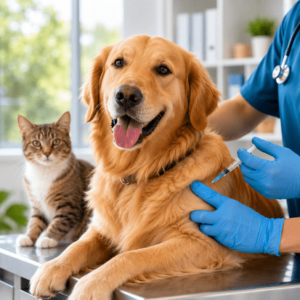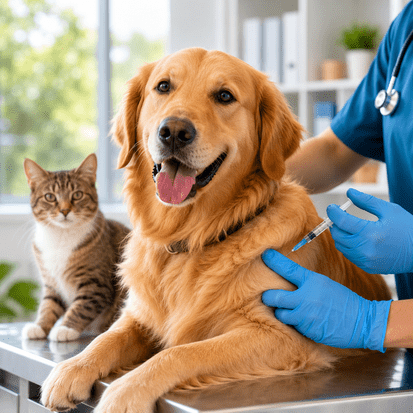
Rabies is one of the most dangerous viral diseases affecting animals and humans worldwide. While it is preventable, rabies continues to pose a serious health risk when pets are left unvaccinated. This is why Rabies Vaccination for Pets is considered one of the most important preventive healthcare measures for dogs and cats.
Whether your pet spends most of its time indoors or enjoys outdoor activities, vaccination remains essential. A single vaccination can help protect your pet, your family, and the wider community from a potentially fatal disease.
What Is Rabies?
Rabies is a viral infection that attacks the central nervous system. It spreads through the saliva of infected animals, usually through bites, scratches, or open wounds. Once symptoms appear, rabies is almost always fatal.
Common symptoms of rabies in animals include:
- Sudden aggression or unusual behavior
- Excessive drooling
- Difficulty swallowing
- Weakness or paralysis
- Disorientation and confusion
- Loss of coordination
Because there is no effective cure after symptoms develop, prevention through vaccination is critical.
Why Rabies Vaccination Matters
The Importance of Rabies Vaccination for Pets goes far beyond protecting a single animal. Vaccination creates a vital barrier against the spread of this deadly disease.
Protects Your Pet’s Life
Vaccinated pets develop immunity against the rabies virus, significantly reducing the risk of infection if they come into contact with an infected animal.
Protects Human Family Members
Rabies is a zoonotic disease, meaning it can be transmitted from animals to humans. By vaccinating your pet, you help safeguard everyone in your household.
Supports Community Health
High vaccination rates among pets help reduce rabies transmission within local communities and contribute to public health efforts.
Helps Meet Legal Requirements
Many regions require pets to receive rabies vaccinations as part of responsible pet ownership. Keeping vaccinations current helps ensure compliance with local regulations.
How Does the Rabies Vaccine Work?
A Rabies Vaccine for Pets stimulates the immune system to recognize and fight the rabies virus. If a vaccinated pet is later exposed to the virus, its immune system can respond quickly and effectively.
Veterinarians typically recommend starting rabies vaccinations at an appropriate age and following a booster schedule to maintain protection throughout the pet’s life.
Which Pets Need Rabies Vaccination?
Rabies vaccination is recommended for:
- Dogs
- Cats
- Outdoor pets
- Indoor pets that may occasionally leave the home
- Pets that travel with their owners
Many pet owners mistakenly believe indoor pets are not at risk. However, accidental escapes, contact with wildlife, or unexpected exposure can still occur.
Signs That Your Pet Is Due for Vaccination
Keeping up with vaccination schedules is an important part of preventive healthcare. Your pet may be due for a booster if:
- Vaccination records are outdated
- A veterinarian recommends a scheduled booster
- You plan to travel with your pet
- Local regulations require updated vaccination certificates
Regular veterinary checkups help ensure vaccinations remain current and effective.
Rabies Prevention Starts with Routine Veterinary Care
Effective Rabies Prevention in Pets involves more than just receiving a single vaccine. Responsible pet care includes:
Regular Wellness Exams
Routine veterinary visits help monitor your pet’s overall health and ensure vaccinations remain up to date.
Limiting Contact with Wild Animals
Avoid situations where pets may interact with stray or wild animals that could carry infectious diseases.
Maintaining Accurate Records
Keep vaccination certificates and veterinary records organized for future reference and travel requirements.
Following Recommended Booster Schedules
Your veterinarian will advise when boosters are needed based on your pet’s age, health status, and local guidelines.
Choosing Professional Vaccination Services
Professional veterinary care ensures your pet receives vaccinations safely and according to recommended protocols. If you’re searching for pet vaccination near me, it’s important to choose a trusted clinic that prioritizes preventive healthcare and long-term pet wellness.
Experienced veterinarians can also answer questions about vaccine schedules, side effects, and additional preventive care recommendations.
Why Pet Owners in Sharjah Trust Professional Veterinary Care
Many families rely on a reputable Veterinary Clinic in Sharjah for comprehensive pet healthcare services, including vaccinations, wellness exams, diagnostics, and preventive treatments.
For pet owners seeking reliable pet vaccination in Sharjah, working with qualified veterinary professionals helps ensure pets receive the protection they need at every stage of life.
Common Myths About Rabies Vaccination
“My Pet Stays Indoors, So Vaccination Isn’t Necessary”
Indoor pets can still be exposed through accidental escapes or contact with infected animals.
“Rabies Is Rare, So the Risk Is Low”
While prevention programs have reduced cases, rabies remains a serious and potentially fatal disease worldwide.
“One Vaccination Is Enough Forever”
Most pets require booster vaccinations to maintain long-term protection.
The Long-Term Benefits of Vaccination
Investing in Pet Rabies Vaccination provides long-term benefits for both pets and owners.
These benefits include:
- Protection against a fatal disease
- Reduced risk of disease transmission
- Compliance with local regulations
- Safer interactions with other animals
- Greater peace of mind for pet owners
When combined with regular wellness care, Pet Vaccination Against Rabies becomes a vital part of maintaining a healthy and happy life for your pet.
Conclusion
Rabies Vaccination for Pets is one of the most effective ways to protect animals, families, and communities from a deadly but preventable disease. Vaccination not only shields your pet from serious health risks but also helps prevent the spread of rabies to other animals and humans.
By following your veterinarian’s recommended vaccination schedule and maintaining regular wellness checkups in Sharjah, you can ensure your pet stays protected throughout its life.
Call To Action
Protect your pet with professional vaccination services from Tree Pet Veterinary. Schedule your pet’s vaccination appointment today and give them the protection they deserve. Our experienced veterinary team is committed to keeping your furry companions healthy, safe, and protected year-round.
FAQ Section
1. How often should pets receive a rabies vaccination?
The schedule varies depending on local regulations and vaccine type. Your veterinarian will recommend the appropriate vaccination and booster schedule.
2. Is rabies vaccination mandatory for dogs and cats?
In many regions, rabies vaccination is required by law. Check local regulations and consult your veterinarian for guidance.
3. Are there side effects after rabies vaccination?
Most pets experience no significant side effects. Some may have mild soreness, temporary tiredness, or slight swelling at the injection site.
4. Can indoor cats get rabies?
Yes. Although the risk is lower, indoor cats can still be exposed through accidental escapes or contact with infected animals.
5. At what age should a pet receive its first rabies vaccine?
Most pets receive their first rabies vaccination when they are young, according to veterinary guidelines. Your veterinarian can provide a personalized schedule.
6. Why is rabies considered so dangerous?
Rabies affects the nervous system and is almost always fatal once symptoms appear, making prevention through vaccination essential.